
Perfect for Corn
Operating inside a system without losing yourself

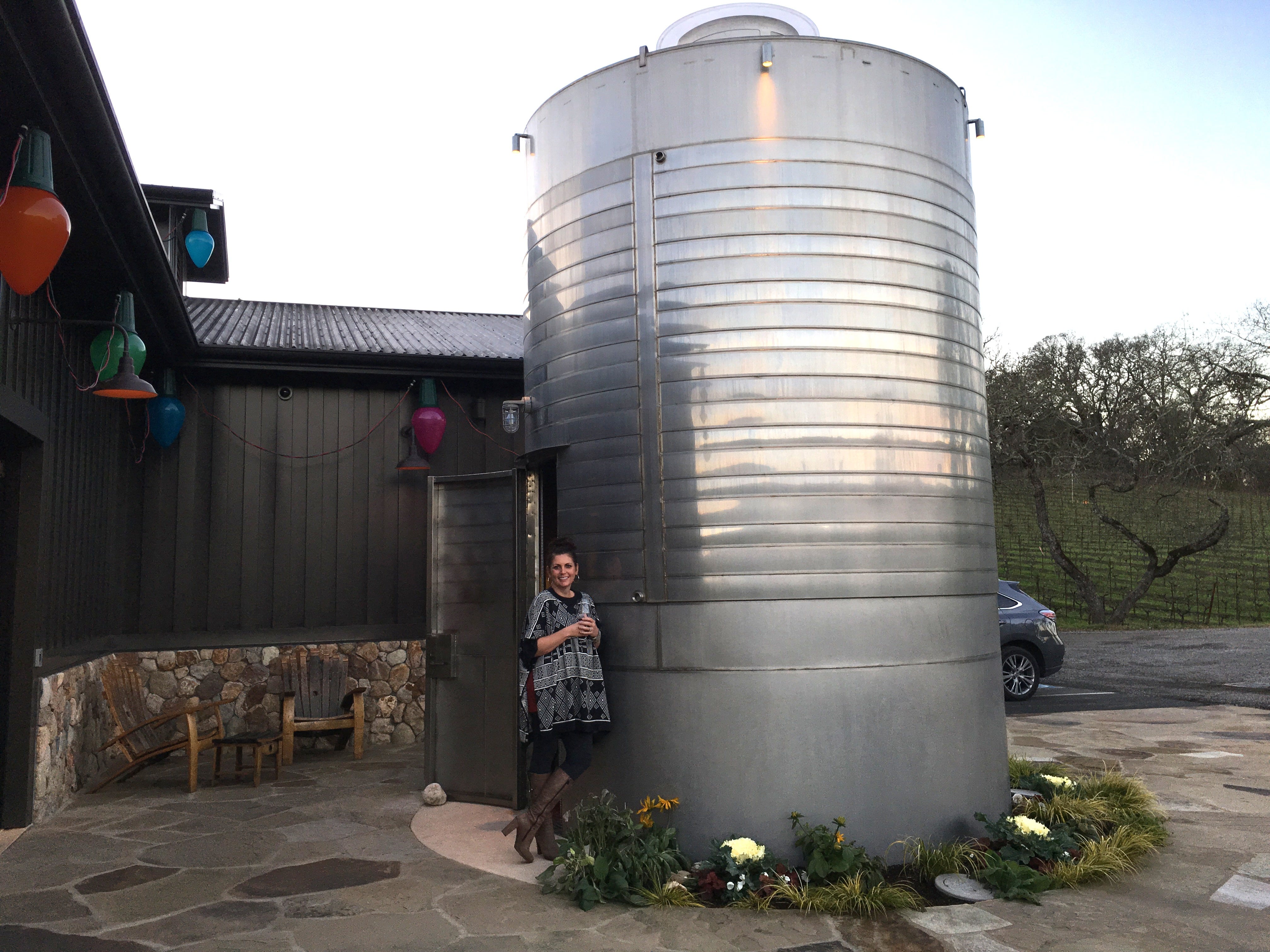
In 1873, farmer Fred Hatch constructed a distinctive tower on his land in McHenry County, Illinois. His neighbors struggled with their grain spoiling in cribs and barns due to rot and rodents before winter's end. Hatch’s tower effectively protected the grain from these issues.
Historians believe it was America’s first upright silo, and its success led to silos becoming common on farms nationwide within a few decades. The essential design principle was that nothing could enter or exit. Initially ideal for storing corn, the term was later adopted to describe how we organize groups of people.
The walls go up early
We experience this when we’re kids in grade school, and it still happens as adults with friends. There’s the lunch table with no empty seats, the group at a party that doesn’t make room when you join, or the department that replies to your email a week later with just one line.
No one sets out to build these walls. They just form over time, like habits, until the people inside stop noticing them. People just settle in.
For years, I’ve coached at some of the world’s biggest companies, and I keep hearing the same thing in different ways. A VP at a major software company, one you’ve probably used, put it best. She spent months trying to get other leaders on her team to work together, sharing ideas that everyone liked but no one supported.
“I feel like I’m knocking,” she told me. “And either nobody’s opened the door, or they’ve opened it, and they’re still looking through the peephole.”
That’s what a modern silo looks like. It isn’t a wall, but a door that can open. Still, people stand guard, peeking out and deciding if you belong.
Then she said something her old mentor taught her: “It’s not what you know. It’s what other people know.”
What the bridgers get
There’s research on this topic, and it’s some of my favorite in organizational science. Ronald Burt, a sociologist at the University of Chicago, studied 673 managers in a company’s supply chain organization.
He looked at who only talked within their own group and who connected with other groups, then asked executives to rate the value of each manager’s ideas.
The people who built bridges across groups came out on top. Their ideas were rated as more valuable, they earned higher pay, got better performance reviews, and were promoted more quickly.
Burt’s explanation was pretty simple: people who connect different groups aren’t necessarily smarter; they just have more exposure. Most good ideas come from elsewhere.
So, working in a silo doesn’t just hurt the company. It also holds you back.
Every wall you stay behind is a set of ideas you’ll never collide with, and a set of people who will never say your name in a room you’re not in.
That VP’s old team got it. At her last company, her leadership group made a deal: only one person could realistically get promoted each year, so instead of competing in silence, they supported each other.
This year, it was Dana’s turn. Everyone promoted Dana’s work, mentioned her name, and shared their contacts. Next year, it would be someone else. She told me she had never been more productive.
Same person, just a different environment.
The five minutes
In 2012, I decided to try something new at my agency. I matched everyone with a colleague they didn’t usually work with and asked them to interview each other. Afterward, each person had five minutes to introduce their partner to the whole company.
One account manager introduced a designer, whom I’ll call Lena. We found out Lena loved collecting items from the 1950s and was passionate about that time period. We also learned that she had once been homeless, not welcome at home, and often unsure where she would sleep. She worked hard to change her situation and built a new life. She became a talented designer, and after that day, everyone saw her as more than just her job title.
People cried, laughed, and the experience was unforgettable.
Many companies miss out on this kind of connection. We had worked together for years, but often knew more about each other’s file formats than about each other’s personal stories. Just five minutes was enough to break down barriers between us.
Knocking differently
What I help people do in this situation comes down to these three things.
Focus on the people, not just the org chart. Write down ten people whose teams work with yours. Next to each name, jot down what they need this quarter and one thing you know about their life outside of work. For most, you probably won’t know much. That’s what leads to silos.
Try to help others before you need help yourself. Give something useful to another group before you ask for help. Often, your influence grows from what you’ve done for people who didn’t have to help you.
Take five minutes to connect people. You don’t need permission to introduce others who haven’t met and have them share with each other. One meeting can have benefits that last for years. This isn’t about office politics.
Many people worry that working within the system means losing themselves, but building connections isn’t politics. It’s actually some of the most human work you can do.
Fred Hatch’s tower did exactly what it was meant to do. It kept the grain sealed off, safe, and untouched. Even after a hundred and fifty years, his invention still stands on farms, still works, and is still perfect.
But only for grain.
Grain lasts. People do not.
Stay human
-Bryan
P.S. Is there a wall of connection that seems out of reach, like a door that never fully opens? Let me know by replying or leaving a comment. Just one line is enough; I read them all.
I’m Bryan. If you lead people, pull up a chair.
Before all this, I built companies in Silicon Valley, gave a TED Talk, and spoke at more than 250+ conferences. I wrote a book called Human to Human: H2H. It started a movement I’m still catching up to.
Then I hit a new bottom; we all do. 85 pounds gone. Diabetes reversed. Sober. I moved to Lisbon and found out you can rebuild the whole thing at any age.
Now I work with leaders who’ve already won, and want more without burning themselves down to get it.
Popular Posts:
Connected Detachment - The looser the grip, the longer it lasts.
Main Character Syndrome - The scene starts when you walk in.
10 Days of Silence - I stopped speaking for ten days. The noise I found was mine.
5 minutes can make a difference - wow!
I have the same experience Bryan. I have been deliberately investing time, 30 min. meetings, with my collogues to get to know them, their work and vice-versa. I’ve discovered so much about the human and our connection went to a completely different level. People no matter where on the org chart want to be seen and want to share themselves, so do we.